


GET 3 FACEGYM SESSIONS FOR ₹11,997
What Is Retinol?
Retinol - The Secret to Smoother Skin?
Retinol has pride of place on most dermatologists' shelves. Mention the skin crimes – collagen breakdown, acne, dullness and enlarged pores – and a retinol solution will likely come your way. Why? Because retinol is a powerhouse when it comes to skincare. Next to sunscreen, it's the most recommended skincare solution to blitz any skin ageing culprits.
Whether you're looking for a treatment for your acne prone skin, to improve your uneven skin tone, or treat large facial pores, retinol products should be an essential part of the skin care routine of anyone wanting to improve skin texture.
What Is Retinol?
Retinol belongs to an ingredient family called retinoids. Retinoids are all derivatives of vitamin A and are a popular skin ageing, skin smoothing and acne treatment. Retinoids come in different strengths ranging from prescription-grade dermatology such as retinoic acid, to over-the-counter topical retinoids easily tolerated by most skin types, although those with sensitive skin may need to use this skincare powerhouse with caution. There's no ingredient like retinol for smoothing out lines and wrinkles, stimulating collagen and elastin production and speeding up skin cell turnover.
What does retinol do for your skin?
So, what are the benefits of using a retinol product for your face and skin? It's not one of the most popular skincare ingredients by accident - here are some of the reasons why you might want to make retinol part of your skincare routine.
Stimulates collagen production
Collagen is what gives skin its plump, dewy appearance. When we are young, we produce collagen in spades. But with age and the constant onslaught of environmental stressors, collagen production slows down and the bouncy structure it makes to support the skin weakens. By speeding up the production cycle, retinol serums help to lock in vital moisture that improves skin structure formation and elasticity.
Speeds up cell renewal
Up until our early 30's, skin cells typically turnover every 28 days. This means our skin texture is nice and smooth as a fresh, glossy layer of skin appears approximately every month. When we hit our mid 30's however, this slows down to every 50, 60 or even 70 days. When that happens, skin appears dry and lacklustre and fine lines and wrinkles begin to appear. Retinol jumps in to tell your skin cells to make fresher, smoother, younger looking skin, effectively tricking the body into believing it's younger than it is. Hello brighter, smoother, more luminous skin.
Helps treat acne
Retinol skincare regulates oily skin by preventing sebum production from going into overdrive. It also exfoliates dirt and dead skin cells to help keep pores from clogging, and reduces the appearance of pores and acne scarring over time. Fewer blemishes = clearer skin.
Fades pigmentation & evens skin tone
By stimulating cell turnover, retinol products push new, healthier skin cells to the skin's surface. This helps fade dark spots, acne scars and redness by replacing damaged cells with new ones.
How To Use Retinol
Starting with retinol in your 20s can help you get ahead of skin conditions such as acne, premature skin ageing and dullness. Before starting to use any retinoid, it's best to get advice from a dermatologist, taking into account your specific skin needs. When you do introduce any retinoid into your skincare routine, make sure you take it slowly, to help build up your skin's tolerance to this active ingredient. The stronger the retinoid used, the more likely skin irritation is to occur – redness, dryness and flaking can often be side effects.
Top Tips for using Retinol
Though retinol falls in the middle of the retinoid spectrum, and is usually tolerated well by most skin types, here are a few tips for introducing retinoids into your skincare routine:
- Choose the right strength. Consider starting with the most gentle, retinyl palmitate, and work your way up the retinoid ladder.
- Don't use too much at once. Apply a pea-sized amount of serum or moisturiser to clean, dry skin at night 1 x week for one week; 2 x week for 2 weeks; 3 x week for 3 weeks, building up to every other night.
- Don't layer your acne-fighting acids and peels with retinol. Use retinol on the nights when you aren't using these products to avoid increasing sensitivity and irritating your skin.
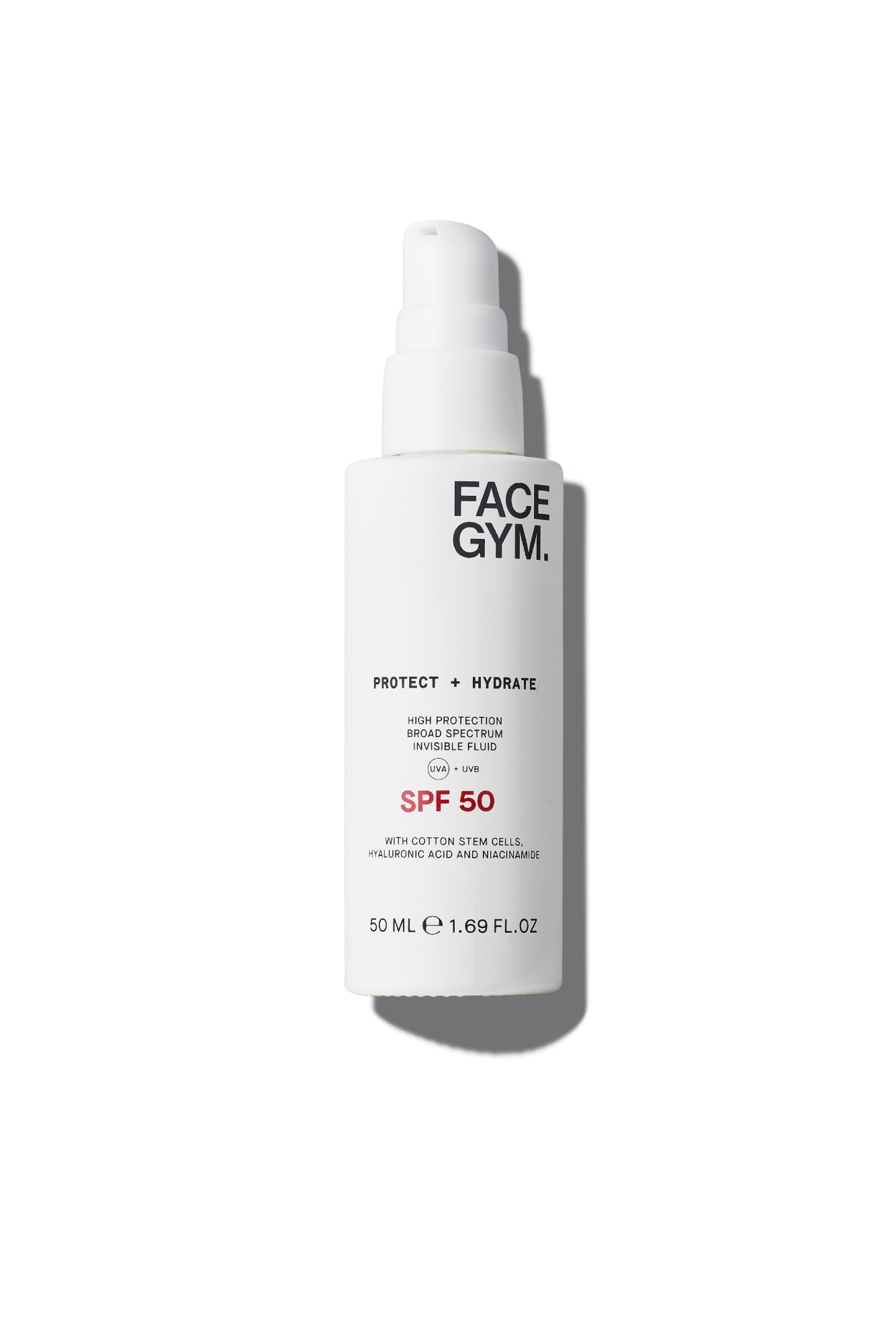
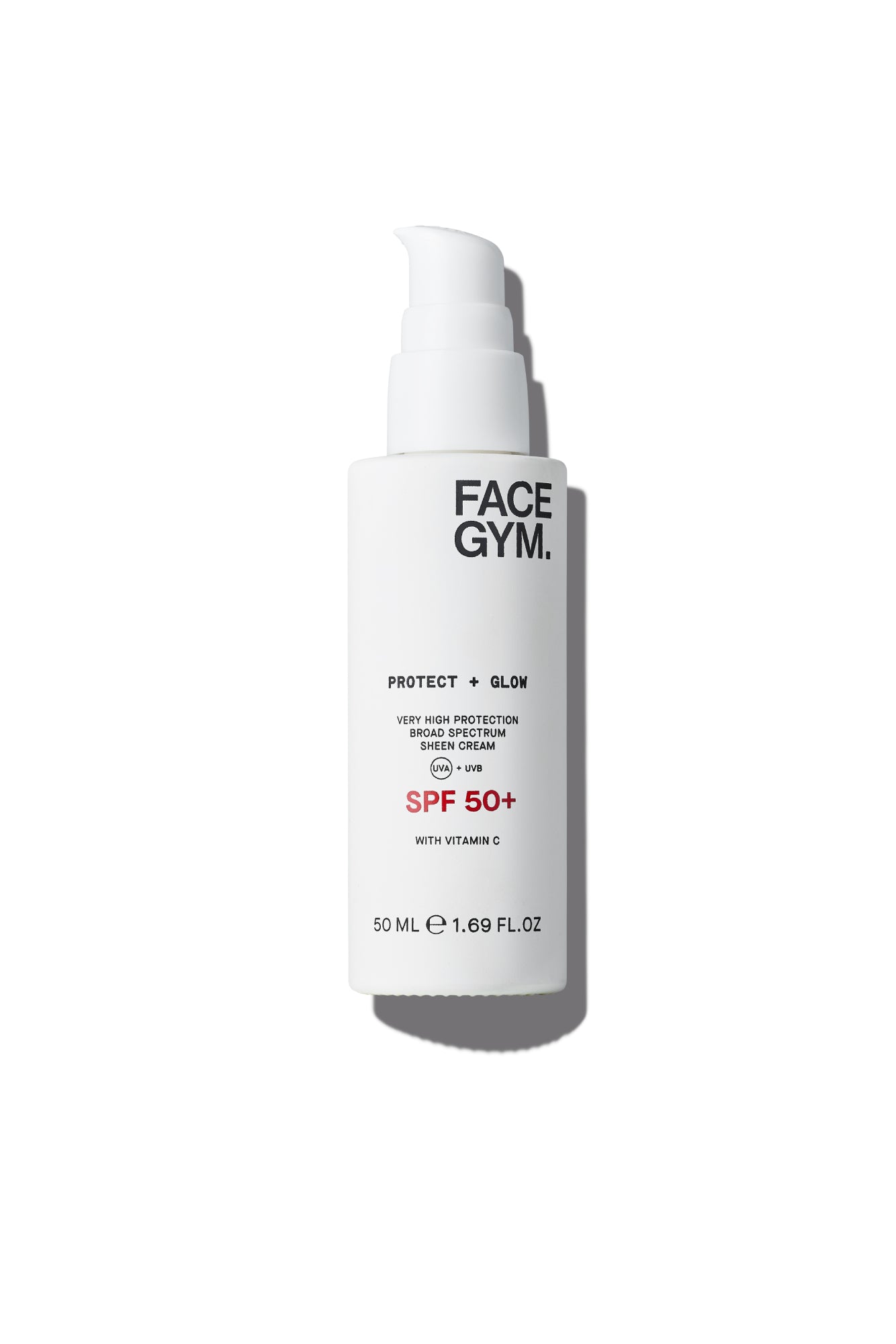
- Always wear sunscreen. Retinoids can make skin extra sensitive to the sun, so load up on broad spectrum SPF every morning without fail – even when the sun isn't shining.
Retinol certainly gets the gold star when it comes to skin smoothing and skin plumping.